
About Our
Town
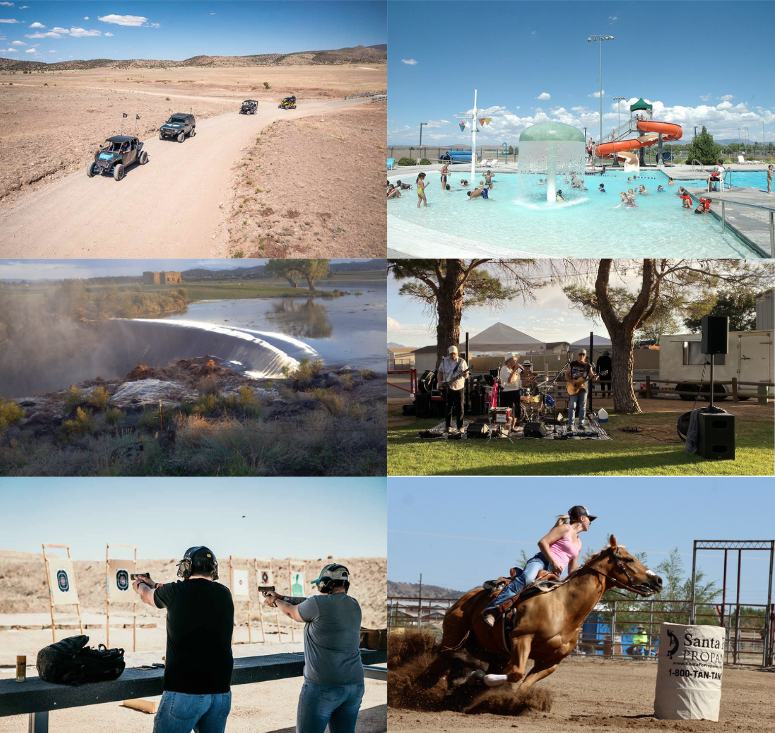
Welcome to Chino Valley, where wide-open spaces, breathtaking views, and genuine small-town hospitality create an experience that’s uniquely Northern Arizona. Whether you’re here for outdoor adventure, local events, western heritage, or simply looking to slow down and enjoy the scenery, you’ll quickly discover why so many visitors fall in love with our community.
With four distinct seasons, miles of scenic countryside, locally owned businesses, wineries, family-friendly events, and a rich agricultural heritage, Chino Valley offers something to enjoy year-round. It’s a place where neighbors know one another, visitors are welcomed like friends, and every season brings a new reason to explore.
As you travel through town, don’t be surprised if someone gives you a friendly wave. Around here, we call it the Chino Wave. It’s a simple tradition that reflects the welcoming spirit of our community, and before long, you’ll find yourself waving back.
Population
Total Working Age Population
Median Family Income
Total Housing Units
Discover Our Story
Where Arizona’s Story Began
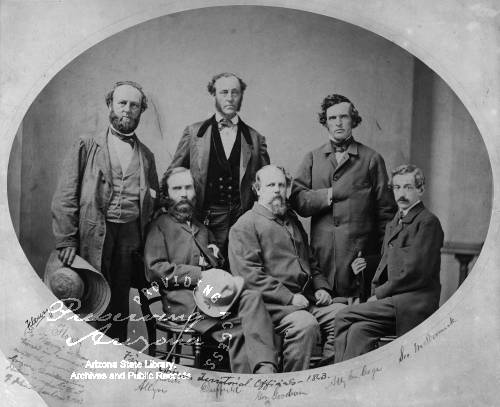
Discover a place where Arizona’s history comes to life. Chino Valley is often recognized as Arizona’s unofficial first capital. After the Arizona Territory was created in 1863, the first Territorial Government was established near Del Rio Springs.
Fort Whipple was established here on December 23, 1863, before moving to Prescott a few months later. Soon after, settlers began homesteading the fertile valley. Their farms and ranches started an agricultural tradition that still helps define Chino Valley today.
The Fred Harvey Farm
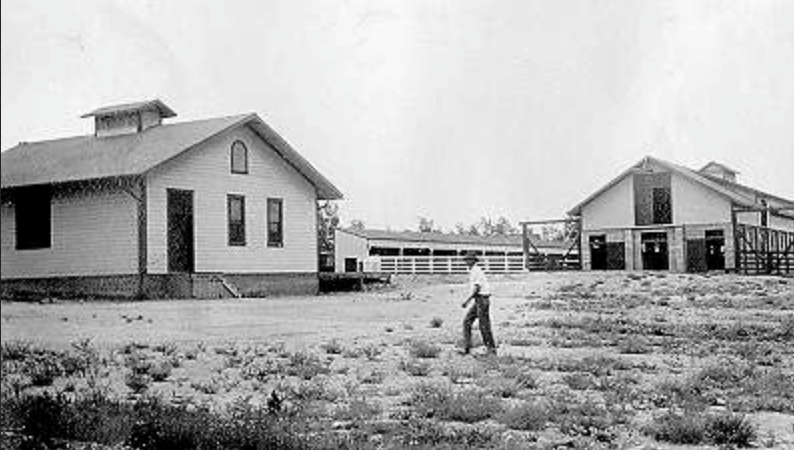
Chino Valley’s agricultural story grew in 1909 when the Atchison, Topeka & Santa Fe Railway and the Fred Harvey organization purchased what is now known as the Fred Harvey Farm.
The farm supplied milk, eggs, meat, and produce to the famous Harvey Houses along the Santa Fe Railway. As a result, Chino Valley became part of a much larger story of rail travel and hospitality across the American Southwest.
Today, the Town of Chino Valley is working to stabilize and preserve this historic property. The goal is to protect this important piece of local history for future generations to experience and enjoy.
When the Railroad Arrived
The railroad brought another new chapter to Chino Valley. Jerome Junction became a busy transfer point for passengers and freight traveling between Jerome and the Santa Fe Railway.
As railroad activity grew, so did the community around the junction. Over time, the center of activity shifted and helped shape the Chino Valley we know today.
FAQs
Where is Chino Valley located?
Chino Valley is located in the Central Highlands of Arizona. We are approximately 10 miles north of Prescott, 130 miles north of Phoenix and 100 miles southwest of Flagstaff. In just over 1.5 hours you can visit the Grand Canyon and in just over 3.5 hours you are in Las Vegas.
What do visitors do to wind down the day after an outdoor adventure?
What are some fun and random facts about Chino Valley?
Chino Valley is home to the Pronghorn; the second fastest land mammal on earth. They are an ancient species dating back nearly 20 million years and one of the few living links to the ice age!
The Town is 63.4 square miles, which is approximately 50% larger than Prescott or Prescott Valley, with about 25% of the population of each of those communities. Come discover Wide Open Spaces!
What are the best outdoor adventure spots?
Perkinsville Rd. to Jerome and more! UTV Rides from Chino Valley and Peavine National Recreation Trail, AZ | HikeArizona Compass Training Center | Outdoor Shooting Range